
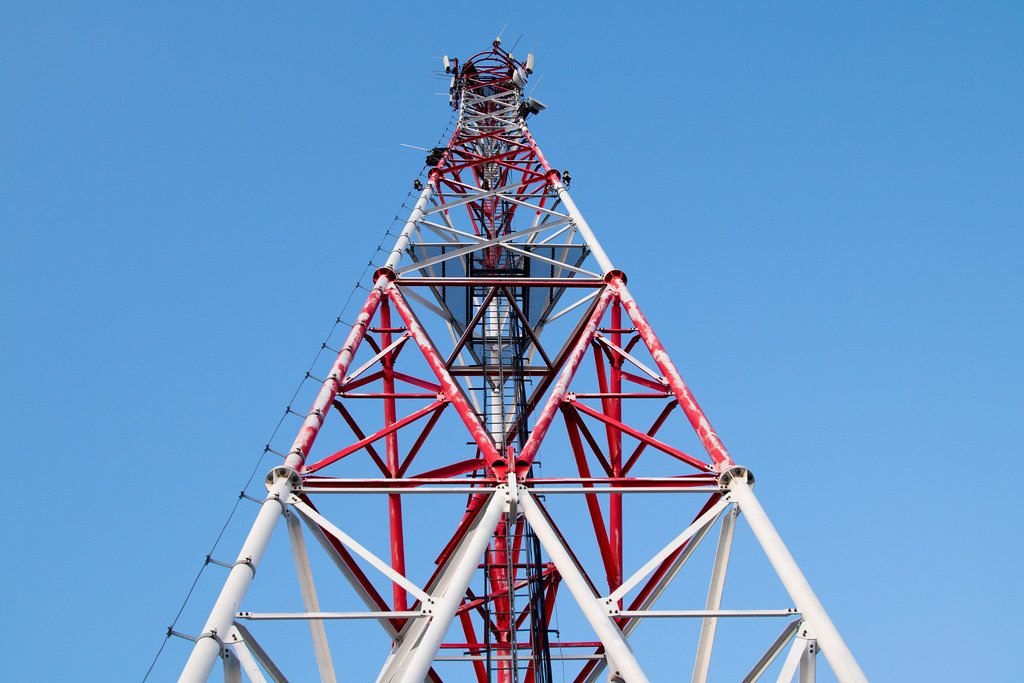
Most Africans who use the internet do so on a mobile phone, and the journey their data takes runs from undersea cables on the coast, across fibre backbones and microwave links, to a mobile tower near them. This guide explains the infrastructure behind African connectivity, why access and prices vary so much, and what is changing.
The layers of internet infrastructure
1. International connectivity: undersea cables
Almost all international internet traffic travels through fibre-optic cables on the seabed. Africa’s coasts are now ringed by multiple cables, including large recent systems such as 2Africa and Google’s Equiano. When cables are damaged, whole countries can slow down. Read Undersea Internet Cables and Africa.
2. National and regional backbones
From landing stations on the coast, terrestrial fibre carries traffic inland and across borders. Landlocked countries depend on fibre routes through their neighbours. Gaps in backbone networks, especially in rural areas, remain a major barrier.
3. Data centres and internet exchange points
Internet exchange points (IXPs) let local networks swap traffic within a country instead of routing it overseas, which lowers costs and speeds things up. Local data centres and content caches keep popular services closer to users.
4. The last mile: mobile networks
Mobile networks deliver most connections. 2G and 3G remain important in rural areas, 4G is the main network for data in many countries, and 5G is rolling out in cities. See 5G in Africa.
5. Fixed broadband and satellite
Fibre to the home and fixed wireless serve some urban areas, while low-earth-orbit satellite services now offer an option where there is no fibre or good mobile coverage. See Satellite Internet in Africa.
The usage gap
According to the GSMA, the bigger problem in sub-Saharan Africa today is not coverage but usage: many people live within range of a mobile broadband network but do not use mobile internet. The main reasons are:
- Affordability of smartphones and data
- Digital skills and literacy
- Relevance of content in local languages
- Safety and security concerns
- Access to electricity for charging devices
Why data prices differ between countries
- Competition between operators
- Taxes and fees on telecom services and devices
- The cost of spectrum licences
- Cost of power, often from diesel generators at tower sites
- Currency movements when equipment and bandwidth are priced in dollars
Ways to stay connected on a budget
- Compare bundles; night and weekly bundles can be cheaper per gigabyte
- Turn off auto-updates and auto-play video on mobile data
- Use Wi-Fi where safe, and data-saving modes in apps and browsers
- Use USSD services for banking and payments that do not need data; see USSD Explained
Frequently asked questions
Why does the internet slow down for everyone at once?
Nationwide slowdowns are often caused by damage to undersea cables or major backbone links, power problems at key facilities, or deliberate shutdowns.
What are internet shutdowns?
Some governments order operators to restrict internet or social media access, often during elections or protests. Shutdowns have heavy economic costs and are tracked by digital rights groups.