
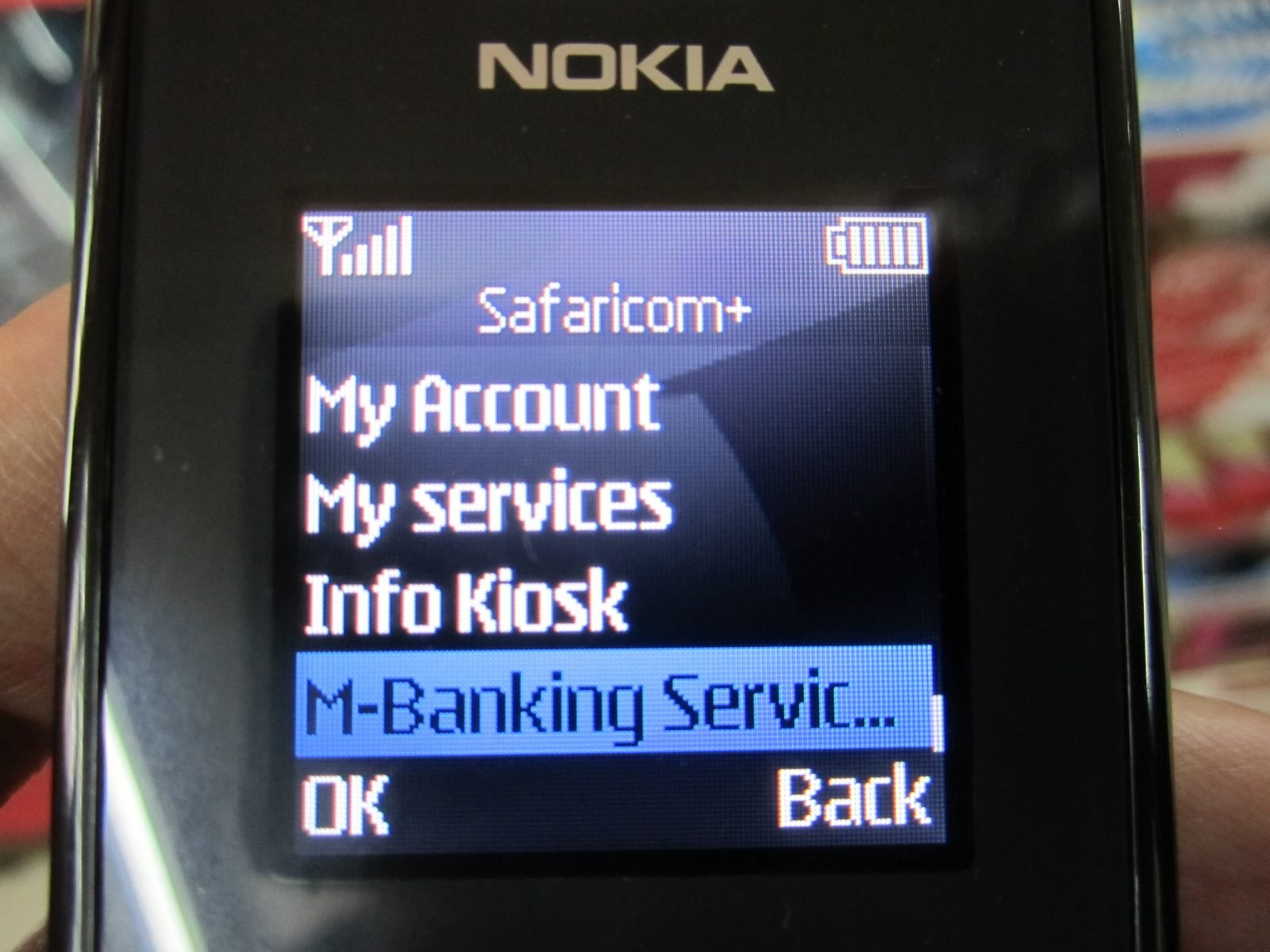
USSD (Unstructured Supplementary Service Data) is the technology behind the short codes you dial, such as *123#, to check airtime, buy data, send mobile money or use your bank. It works on any mobile phone, including basic feature phones, without an internet connection, which is why it remains essential across Africa.
How USSD works
- You dial a code beginning with * and ending with #
- Your phone sends the request over the mobile network’s signalling channel, not the internet
- The operator routes it to the service provider’s application, such as a bank
- A text menu appears on your screen; you reply with numbers to choose options
- The session stays open in real time until it ends or times out
Unlike SMS, USSD is session-based: it creates a live, two-way conversation, but nothing is stored on your phone afterwards.
Why USSD matters in Africa
- Works on every phone: no smartphone or app required
- No internet needed: works wherever there is a basic signal
- Familiar: numbered menus are simple to use
- Instant: real-time responses for payments and balance checks
Mobile money grew on USSD, and many banks offer USSD banking so customers can transfer money, buy airtime and pay bills without data. See How Mobile Money Works.
Common uses
- Checking airtime and data balances, and buying bundles
- Mobile money transfers and payments
- Bank transfers and bill payments
- Paying online merchants; see accepting online payments
- Agricultural information, health services, surveys and voting in polls
- SIM registration and identity checks
Costs
Some USSD services are free to the user; others charge per session, collected through airtime. Businesses pay operators or aggregators for USSD codes and sessions. In some countries, disputes between banks and telecom operators over who pays for USSD sessions have led regulators to step in.
Limitations
- Session timeouts: sessions end after a short period, which can interrupt transactions
- Limited screen space: menus can carry only short text
- No rich content: no images or complex forms
- Network dependence: congestion can cause failures
Is USSD secure?
USSD itself is not encrypted end to end in the way modern apps are, so services rely on PINs and limits. The biggest risks come from:
- SIM swaps, where criminals take over your number; see SIM Swap Fraud
- Stolen phones without a screen lock
- Shoulder surfing, where someone watches you enter your PIN
- Social engineering, where fraudsters trick you into dialling codes that transfer money; see phishing and mobile money scams
Never dial a code someone sends you unless you know exactly what it does.
USSD for businesses and startups
Businesses can rent a shared or dedicated USSD code from operators or through aggregators, then connect it to their own software. It is a powerful way to reach customers without smartphones. Many African startups launch on USSD first; see How to Start a Tech Startup in Africa.
Learn how USSD fits into the connectivity landscape in Internet Connectivity in Africa.