
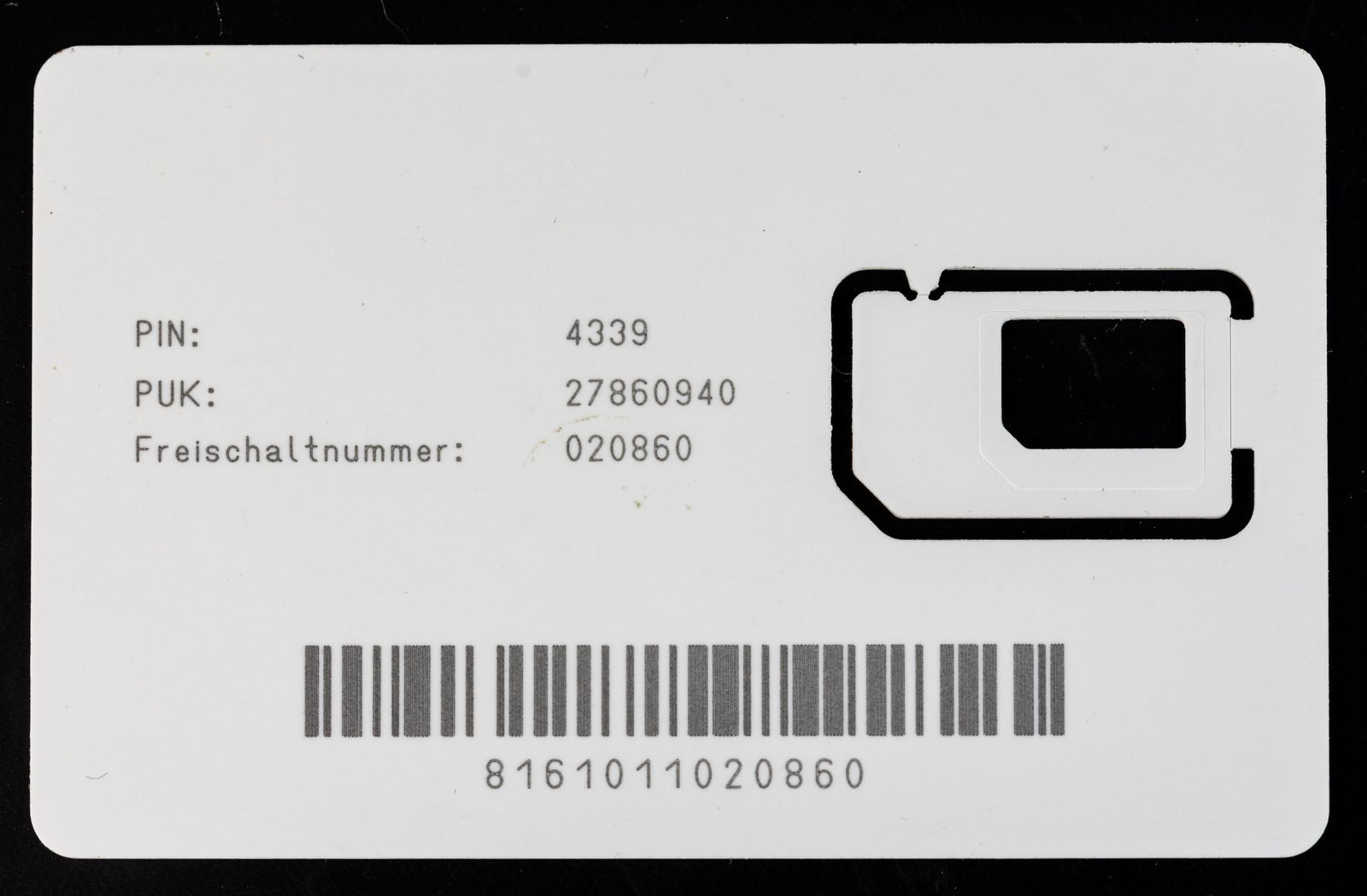
SIM swap fraud happens when a criminal takes control of your phone number by getting it moved onto a SIM card they hold. Because banks and mobile money services send one-time codes by SMS, whoever controls your number can often reset passwords and drain your accounts. It is one of the most damaging frauds in mobile-first markets.
How a SIM swap attack works
- Information gathering: the fraudster collects your name, phone number, date of birth and ID details from data leaks, social media, phishing messages or stolen documents.
- The swap: they visit an operator’s shop or call customer service pretending to be you and claim the SIM was lost or damaged. In some cases, insiders are bribed to approve the swap.
- Your phone loses signal: your SIM is deactivated and their new SIM receives your calls and texts.
- Account takeover: they request password resets and one-time codes for your bank, mobile money, email and social media, then move your money.
Warning signs
- Your phone suddenly shows No service or Emergency calls only in an area where it normally works
- You receive a message saying your SIM has been changed or that a SIM swap was requested
- You stop receiving calls and texts
- You get alerts about password resets or logins you did not make
Act immediately. Fraudsters often strike at night or at weekends when victims are slower to respond.
What to do if you suspect a SIM swap
- Call your mobile operator from another phone and ask them to block the SIM and confirm whether a swap occurred
- Call your bank and mobile money provider to freeze accounts and cards
- Change email passwords from a secure device and sign out of other sessions
- Report to the police and keep a reference number
How to protect yourself
Protect your SIM
- Set a SIM PIN in your phone settings so the SIM cannot be used in another phone without it
- Ask your operator about additional verification for SIM changes
- Keep your SIM registration details up to date
Reduce reliance on SMS codes
- Use an authenticator app or security key for email and social media instead of SMS where possible. See Two-Factor Authentication Explained
- Use your bank’s in-app approval or hardware token if offered
Protect your personal information
- Do not post your phone number, date of birth or ID details publicly
- Be cautious of calls and messages asking you to “verify” your details; see How to Spot Phishing and Mobile Money Scams
- Shred documents with personal details
Limit the damage
- Set transaction limits and alerts on bank and mobile money accounts
- Do not keep large balances in mobile money wallets
- Use a separate number that you do not share publicly for banking, if practical
What operators and banks do
Many operators and banks in Africa have introduced stronger identity checks for SIM replacement, waiting periods after a swap before transactions are allowed, and systems that let banks check whether a number was recently swapped before approving transactions. Regulators in several countries also require biometric or ID-linked SIM registration. Ask your providers which protections they offer.
Frequently asked questions
Can a SIM swap happen without my knowledge?
Yes. The first sign is usually that your phone loses network service. That is why a sudden loss of signal should always be checked.
Will my bank refund money lost to SIM swap fraud?
It depends on the circumstances, the bank’s policies and local consumer protection rules. Report quickly; the faster you act, the better your chances of recovering funds.
For a complete overview of threats, read our cybersecurity guide. Learn how mobile money works in How Mobile Money Works.