
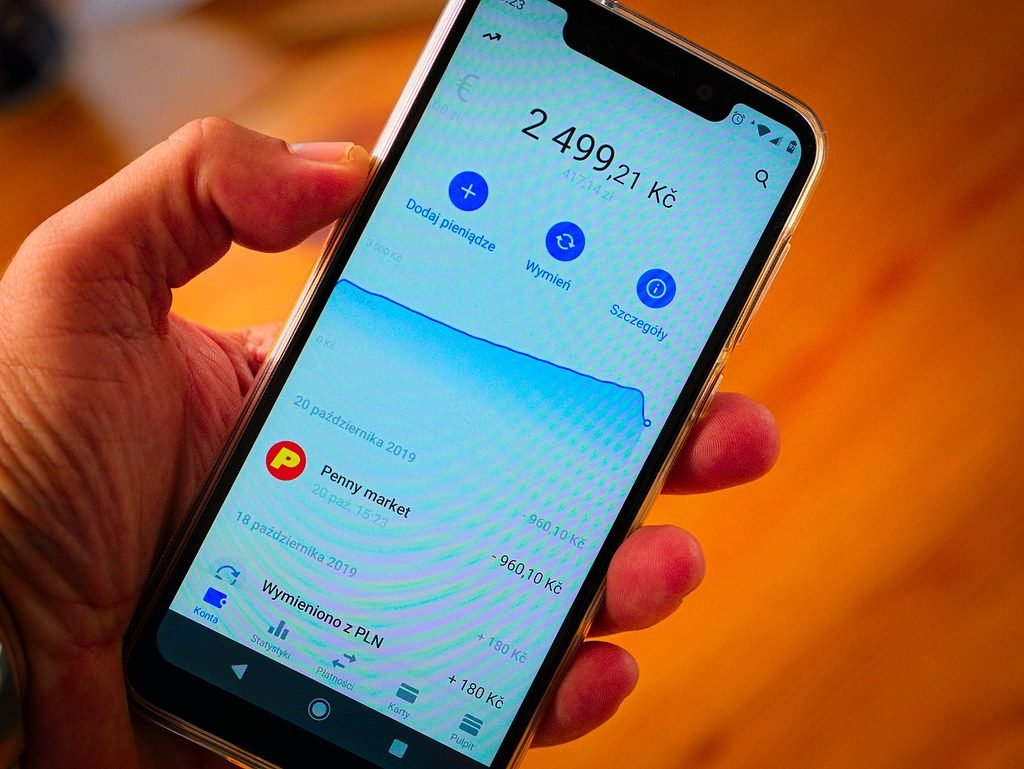
Open banking lets customers securely share their financial data, such as account balances and transaction history, with other licensed companies through standardised connections called APIs. It can make it easier to get loans, manage money and pay, and several African regulators have started building formal frameworks for it.
How open banking works
- You give consent: a third-party app asks permission to access specific data from your bank account, for a specific purpose and period.
- Your bank verifies you: you log in to your bank or approve the request, so you never give the app your banking password.
- Data flows through an API: the bank shares only the approved data with the app through a secure application programming interface.
- You can revoke access at any time.
Some open banking frameworks also allow payment initiation, where an app can start a payment from your account with your approval.
Open banking vs screen scraping
Before formal open banking, some apps asked users for their bank login details and “scraped” data from online banking. This is riskier because the app holds your credentials and can see everything. Regulated open banking replaces this with permission-based, limited access.
Benefits
- Better access to credit: lenders can assess income and spending accurately, helping people without formal credit histories
- Personal finance tools: view accounts from different banks in one place and budget better
- Faster onboarding: verify income or identity without paper bank statements
- Cheaper payments: pay directly from a bank account instead of by card
- Competition: fintechs can build services on top of bank infrastructure
Risks
- Misuse of data if consent is unclear or apps share it further
- Security breaches at third-party providers
- Fraudsters impersonating legitimate apps
- Unequal access to remedies if something goes wrong
Strong data protection law is essential; see Data Protection Laws in Africa.
Open banking in Africa
Nigeria
The Central Bank of Nigeria issued a regulatory framework for open banking in 2021 and later published operational guidelines. The framework covers API standards, data categories by risk level, consent and the roles of banks and other participants. Implementation has been phased.
Other markets
Regulators in several other African countries, including Kenya, Ghana, Rwanda and South Africa, have studied or consulted on open banking or open finance, while private companies already provide API-based account connections in some markets. The approach varies: some countries favour regulation-led models, others industry-led ones. Check the latest guidance from your central bank.
How to use open banking safely
- Only connect your account to licensed, reputable apps
- Read what data is requested and why
- Never type your bank password into a third-party app
- Review and revoke access you no longer need
- Turn on two-factor authentication; see 2FA explained
Frequently asked questions
Is open banking the same as mobile money?
No. Mobile money is an e-money wallet. Open banking is a way of securely sharing bank data and initiating payments through APIs. See How Mobile Money Works.
Can a bank refuse to share my data?
Under regulated frameworks, banks must share specified data with approved providers when you consent. Without a framework, it depends on the bank’s own policies.
Back to Fintech in Africa Explained.