
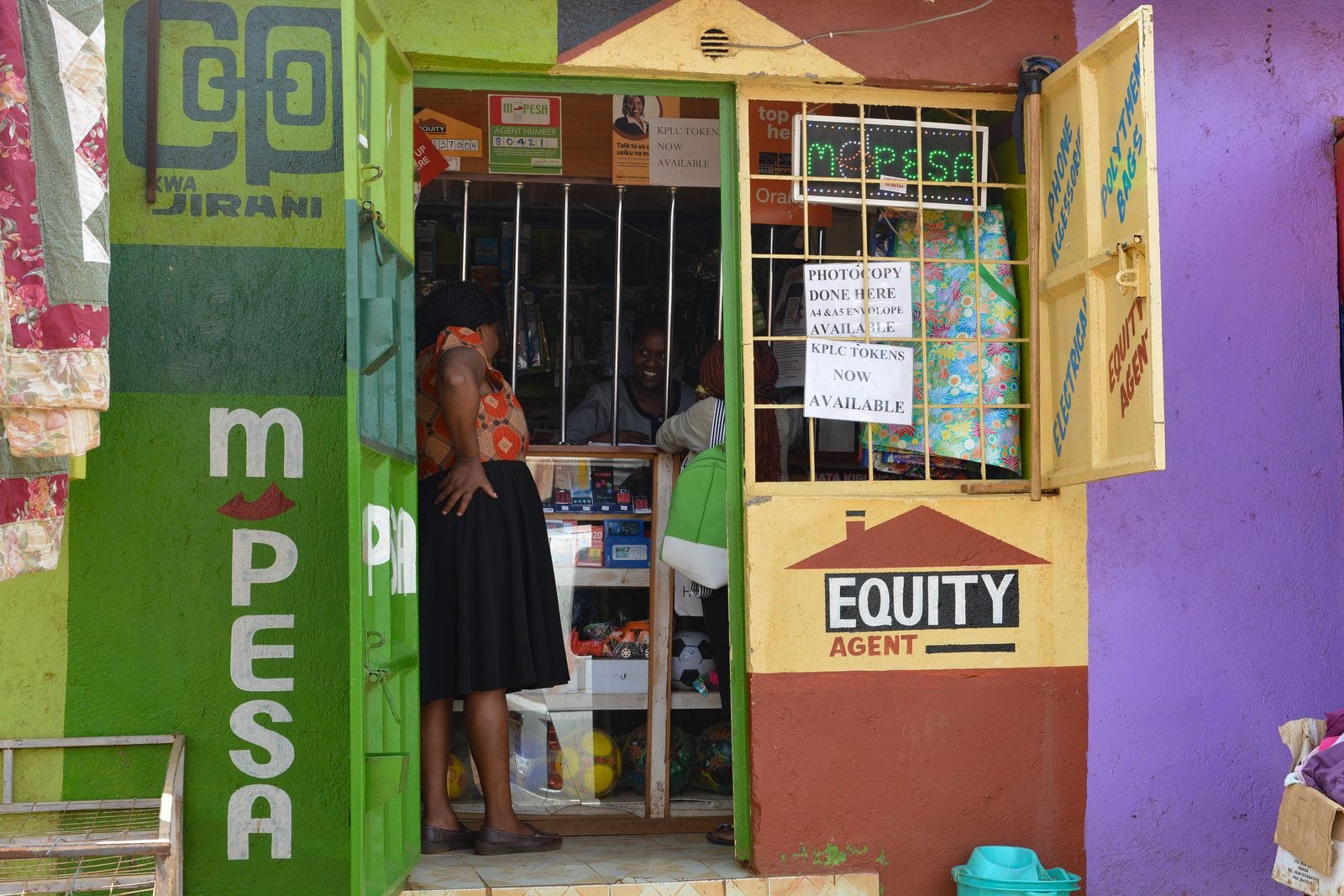
Financial technology, or fintech, is the largest and best-funded part of Africa’s tech ecosystem. From mobile money in East Africa to payment gateways in Nigeria and digital banks in South Africa, fintech has brought hundreds of millions of people into the financial system. This guide explains the main types of fintech, how they work and how they are regulated.
Why fintech took off in Africa
- Low bank branch coverage: many people, especially in rural areas, live far from a bank.
- High mobile phone ownership: basic phones reached people long before bank accounts did.
- Cash-heavy economies: cash is costly and risky to store and move.
- Expensive cross-border payments: sending money between African countries and from abroad has long been slow and costly.
- Young, digital-first population willing to try new services.
The main types of African fintech
1. Mobile money
Mobile money lets people store, send and receive money using a phone number, often through a network of agents who convert cash to e-money and back. Kenya’s M-Pesa, launched by Safaricom in 2007, became the best-known example; mobile money is now used across the continent. Read How Mobile Money Works.
2. Payment gateways and processors
Payment gateways let businesses accept cards, bank transfers, mobile money and USSD online. Companies such as Paystack, which Stripe acquired in 2020, and Flutterwave helped online commerce grow in Nigeria and beyond. See How to Accept Online Payments in Africa.
3. Digital banks and neobanks
Digital banks offer accounts, cards and savings through an app with few or no branches. Some hold full banking licences; others partner with licensed banks or hold microfinance licences.
4. Digital lending
Digital lenders use data such as mobile money transactions and repayment history to make small, fast loans. They can widen access to credit but have faced criticism over high costs and aggressive debt collection, prompting new rules in several countries.
5. Remittances and cross-border payments
Fintechs are lowering the cost of sending money to and within Africa. Compare options in Sending Money to Africa.
6. Savings, investment and insurance
Apps let users save in small amounts, invest in money market funds or buy micro-insurance through their phones.
7. Infrastructure and open banking
Behind consumer apps are APIs that connect bank accounts, verify identity and move money. Open banking rules aim to let customers share their data securely with third parties; read What Is Open Banking?
How fintech is regulated
Central banks are the main regulators of payments, mobile money and banking, while securities regulators oversee investment products and data protection authorities enforce privacy rules. Licences vary by activity: a payment service provider, mobile money operator, microfinance bank and digital lender may each need different approvals. Our tech policy guide explains the wider landscape.
How to use fintech safely
- Use apps from licensed providers; check your central bank’s list of licensed institutions
- Never share your PIN or one-time codes, even with someone claiming to be from customer care
- Protect your SIM against swap fraud; see SIM Swap Fraud
- Be wary of loan apps that request access to your contacts and photos
- Learn to spot scams in How to Spot Phishing and Mobile Money Scams
Frequently asked questions
Is money in a mobile money wallet safe?
In many countries, regulators require mobile money operators to hold customer funds in trust accounts at licensed banks, separate from the operator’s own money. Rules differ, so check your country’s regulations.
What is the difference between a fintech and a bank?
A bank holds a banking licence and can take deposits and lend them out. Many fintechs are licensed for narrower activities, such as payments, or partner with banks to offer accounts.