
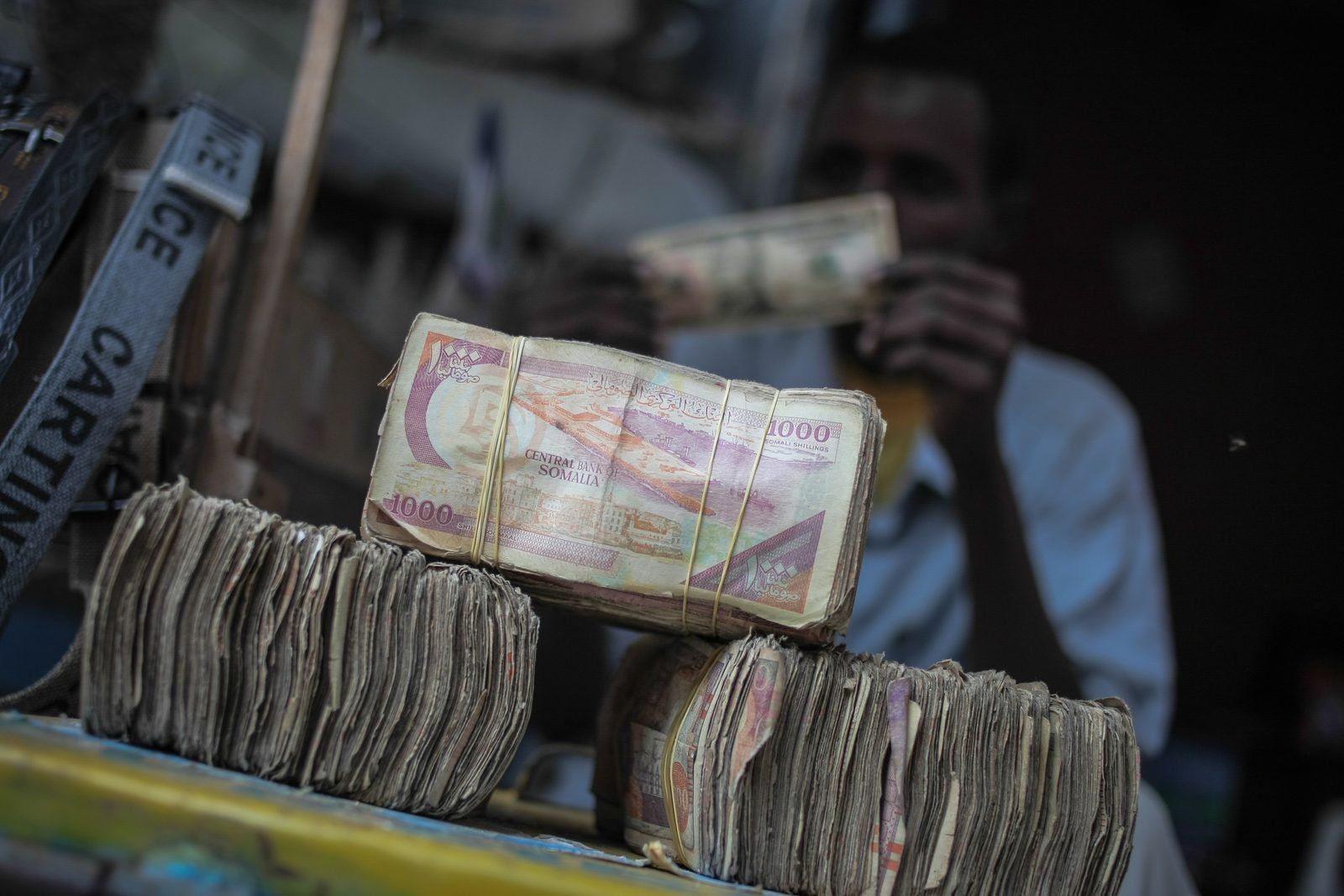
Remittances, money sent home by family members working abroad, are a vital source of income for millions of African households. Yet sub-Saharan Africa has long been one of the most expensive regions in the world to send money to, according to the World Bank’s Remittance Prices Worldwide database. Choosing the right service can save a meaningful share of every transfer.
The main ways to send money
| Option | How it works | Pros | Cons |
|---|---|---|---|
| Banks | International wire transfer to a bank account | Secure, good for large amounts | Often expensive and slow; intermediary bank fees |
| Money transfer operators | Agent locations for cash pickup, plus online services | Wide cash pickup networks | Fees and exchange margins vary widely |
| Digital remittance apps | Send from an app or website to a bank account or wallet | Usually cheaper and faster, transparent rates | Coverage varies by corridor |
| Mobile money delivery | Money arrives directly in the recipient’s mobile wallet | Instant, no bank account needed | Withdrawal fees at agents |
Understanding the real cost
The total cost of a transfer has two parts:
- The transfer fee: the visible charge for sending.
- The exchange rate margin: the difference between the rate you get and the mid-market rate. A “zero fee” transfer can still be expensive if the exchange rate is poor.
To compare, look at how much the recipient will actually receive for the same amount sent. Also consider any fees the recipient pays to withdraw cash.
How to choose a service
- Compare the amount received across several providers on the same day
- Check delivery options: bank account, mobile money wallet or cash pickup
- Check speed: minutes, hours or days
- Check limits: per-transfer and monthly caps
- Confirm the provider is regulated in the sending country, and licensed or partnered in the receiving country
- Read reviews about reliability and customer support
Sending money within Africa
Intra-African transfers have historically been costly because payments often had to route through overseas banks and currencies. Cross-border mobile money links, regional payment systems and fintech networks are making this cheaper, and the Pan-African Payment and Settlement System (PAPSS) was launched to allow payments between African currencies without first converting to dollars or euros. Read more in Fintech in Africa Explained.
Safety tips
- Only send money to people you know and trust
- Be suspicious of urgent requests from new online contacts, romance scams and fake job offers
- Double-check account and phone numbers before confirming
- Use two-factor authentication on remittance apps; see 2FA explained
- Keep receipts and transaction references
Frequently asked questions
What is the cheapest way to send money to Africa?
It depends on the corridor and amount. Digital services delivering to a bank account or mobile wallet are often cheaper than cash-based options, but compare the amount received on the day you send.
Why do exchange rates differ between providers?
Providers add a margin to the mid-market rate to make money. In countries with multiple exchange rates or currency controls, the rate offered can also depend on how the provider sources currency.
Can I send money directly to a mobile money wallet?
Yes, many remittance services deliver straight to mobile money wallets in markets such as Kenya, Ghana, Uganda and others. See How Mobile Money Works.