
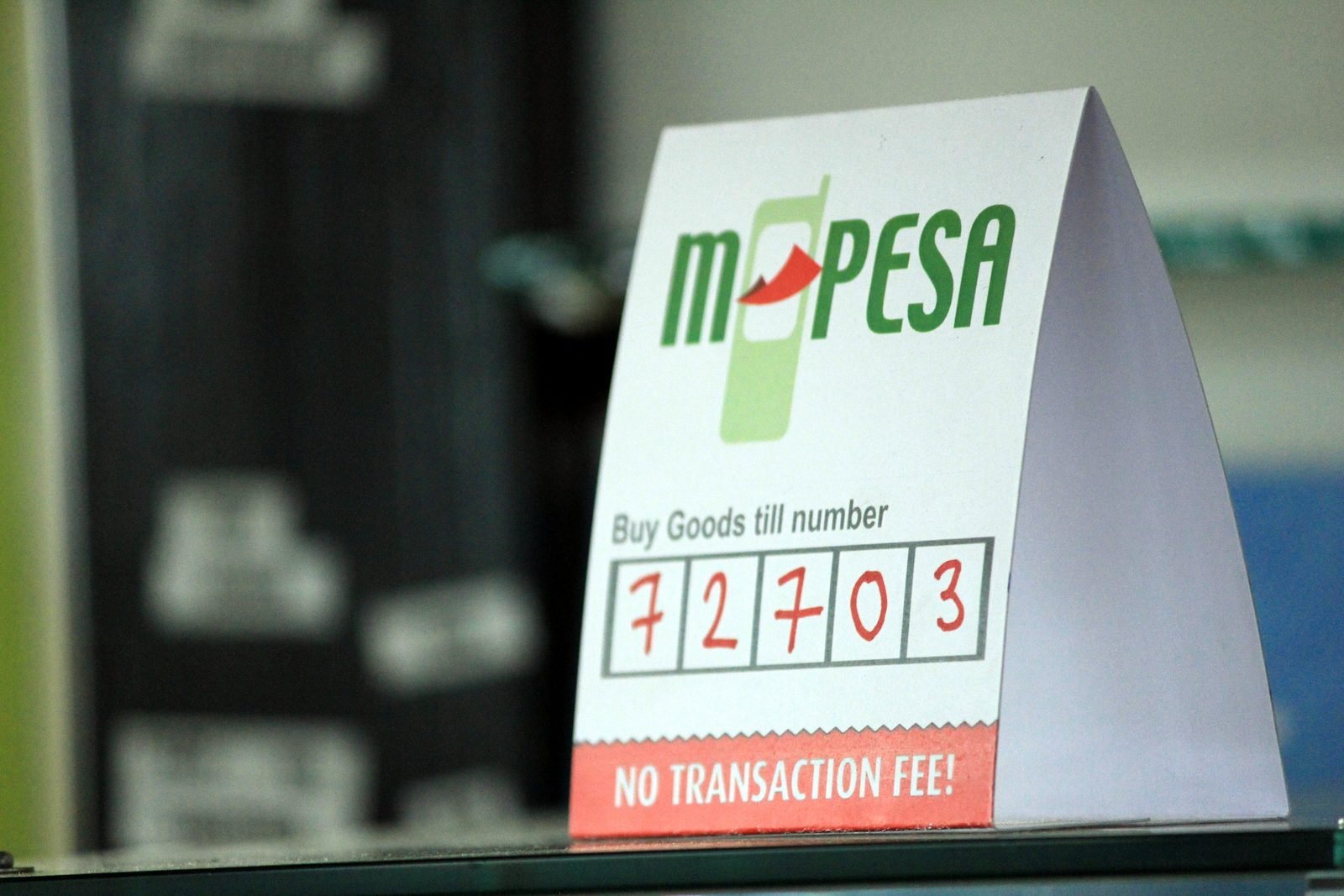
Mobile money lets people store, send and receive money using a mobile phone number, without a bank account. It started at scale in Kenya with M-Pesa in 2007 and is now used across sub-Saharan Africa, which accounts for a large share of the world’s mobile money accounts according to the GSMA. Here is how it works.
The basics
A mobile money account is an electronic wallet linked to your SIM card and phone number. You can use it to:
- Deposit and withdraw cash through agents
- Send money to other people (person-to-person transfers)
- Pay merchants, bills, school fees and taxes
- Buy airtime and data
- Receive salaries, government payments and remittances
- Access savings and small loans offered with partner banks
It works on basic phones through USSD menus or SIM toolkit apps, and on smartphones through apps. Learn more about USSD in USSD Explained.
How it works behind the scenes
E-money and trust accounts
When you give an agent cash, the operator credits your wallet with the same value of electronic money. In many countries, regulators require the operator to hold an equal amount of real money in trust or escrow accounts at licensed banks. This protects customers if the operator fails, although the exact rules differ by country.
The agent network
Agents are shops and kiosks that exchange cash for e-money (cash-in) and e-money for cash (cash-out). Each agent keeps a float of both cash and e-money and earns commission on transactions. Agents are the reason mobile money reaches places with no bank branches.
Transfers
When you send money, the operator simply moves e-money from your wallet to the recipient’s wallet on its own system, which is why transfers are almost instant. You confirm with a PIN.
Fees
Mobile money fees usually depend on the transaction type and amount. Common patterns include:
- Free or low-cost deposits
- Tiered fees for sending money, rising with the amount
- Withdrawal fees charged when taking cash out at an agent
- Merchant fees for businesses accepting payments
Some governments also levy taxes on mobile money transactions. Fees change, so check your operator’s current tariff.
Interoperability
Early mobile money systems were closed: you could only send to customers of the same network. Many countries now have interoperability, allowing transfers between different operators and to and from bank accounts, often through a national switch. Cross-border mobile money transfers are also growing, linking wallets in different countries.
Who regulates mobile money?
Central banks usually license and supervise mobile money operators, set rules on customer funds, transaction limits and identity checks (know your customer, or KYC), while telecom regulators oversee the networks. Some countries license telecom operators directly; others require a bank to lead. Read the wider context in our fintech in Africa guide.
Staying safe with mobile money
- Never share your PIN, even with someone claiming to be from customer care
- Ignore messages saying money was sent to you by mistake and asking you to send it back; check your actual balance first
- Report a lost phone or SIM immediately to block your account
- Watch for signs of SIM swap fraud; read SIM Swap Fraud: How It Works
- Learn common tricks in How to Spot Phishing and Mobile Money Scams
Frequently asked questions
Do I need a bank account for mobile money?
No. You register with your SIM and an approved ID. Many services link to bank accounts if you want them to.
Can I earn interest on mobile money?
The basic wallet usually does not pay interest, but many operators offer linked savings products with partner banks or funds.
Is mobile money the same as a mobile banking app?
No. Mobile banking apps give access to an existing bank account. Mobile money is a separate e-money wallet, usually run by a telecom operator or licensed provider.