
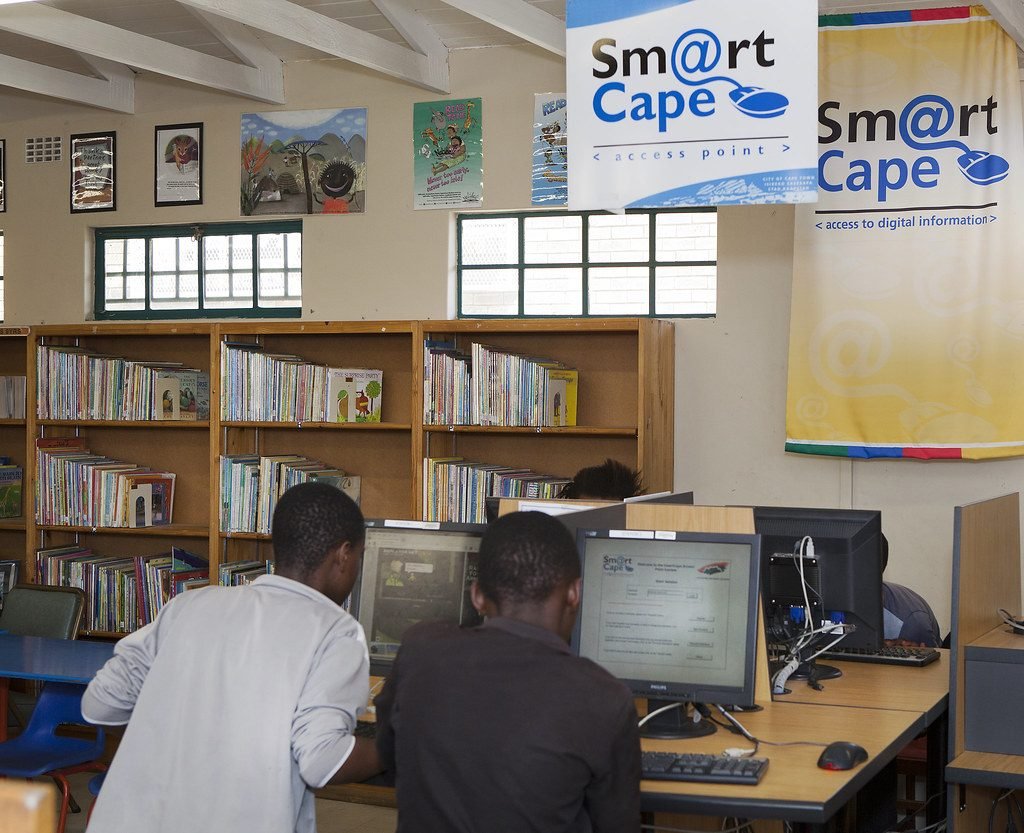
Africa has the world’s youngest population, and demand for digital skills is growing in every sector, from banking and telecoms to agriculture and government. Many tech roles can also be done remotely for employers anywhere. This roadmap explains which skills matter, how to learn them affordably and how to turn them into a job.
Step 1: Build the digital foundations
Whatever your path, these basics are expected in modern workplaces:
- Confident use of a computer, files, email and cloud storage
- Word processing, spreadsheets and presentations
- Online collaboration and video meetings
- Basic cybersecurity hygiene; see our cybersecurity guide
- Using AI assistants effectively and safely; see using AI at work
Step 2: Choose a career path
| Path | What you do | Core skills to start |
|---|---|---|
| Software development | Build websites, apps and systems | HTML, CSS, JavaScript or Python, Git |
| Data analysis | Turn data into insights and reports | Excel, SQL, a visualisation tool, Python basics |
| Cloud and DevOps | Run and automate infrastructure | Linux, networking, a major cloud platform |
| Cybersecurity | Protect systems and data | Networking, Linux, security fundamentals |
| UI/UX design | Design usable digital products | Design principles, Figma, user research |
| Digital marketing | Grow audiences and sales online | SEO, content, social media, analytics |
| Product management | Decide what gets built and why | User research, prioritisation, communication |
| AI and machine learning | Build data-driven models | Python, statistics, machine learning basics |
Pick one path to start. You can branch out later.
Step 3: Learn for free or cheaply
- Free online courses from universities and platforms, many with financial aid for certificates
- Free coding curricula with hands-on projects; see How to Learn Coding for Free
- Big tech training programmes and scholarships, often with Africa-specific cohorts
- Bootcamps, some with income-share or deferred payment options; check outcomes carefully
- Local tech hubs and communities for meetups, mentorship and study groups
- Official documentation and YouTube tutorials
Save on data by downloading course materials over Wi-Fi and using offline modes where offered.
Step 4: Build a portfolio
Employers hire on evidence. Build three to five projects that solve realistic problems, ideally local ones, such as a dashboard of public data, a small business website or an app that tracks expenses. Publish code on GitHub, write short case studies, and share your learning on LinkedIn.
Step 5: Consider certifications
Certifications can help, especially in cloud and cybersecurity, but they work best alongside practical projects. See Cloud Certifications Explained.
Step 6: Get experience and your first job
- Apply for internships, graduate programmes and apprenticeships
- Volunteer skills for non-profits or small businesses
- Freelance small projects to build references
- Contribute to open-source projects
- Network at meetups and online communities
- Explore international roles; see Remote Work from Africa
The right equipment
A reliable laptop and backup power make learning far easier. See How to Choose a Laptop and our power backup guide.
Explore our skills guides
- How to Learn Coding for Free: A Practical Plan
- How to Become a Data Analyst
- Remote Work from Africa
- Cloud Certifications Explained
- Tech Careers in Africa: 9 Paths to Build a Career in Tech
- Freelance Platforms in Africa: 10 Best Sites to Earn Online
Get hired
- Remote Jobs That Pay in Dollars in Nigeria
- How to Receive Payment from Upwork in Nigeria
- Tech Internships in Nigeria and Kenya
- How to Write a CV for a Tech Job With No Experience
- LinkedIn Profile Tips for Job Seekers in Tech
- Highest-Paying Tech Jobs in Nigeria